The Real Comparison You Need About Laser Engraver Fume Extractors
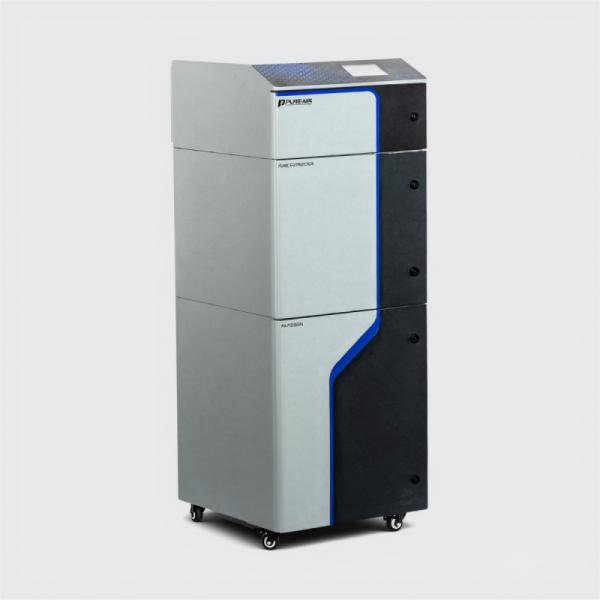
Introduction — a small shop, a loud cough, a tough choice
I once stood in a small maker's studio as the smell of melting acrylic thickened the air and everyone paused — including me. In that moment I thought about how a laser engraver fume extractor could change the room: reduce smell, cut smoke, and keep lungs safer. The data is blunt — shops report volatile organic compound spikes during cuts, and many DIY setups fail to meet safe airflow rate standards (I’ve seen readings that made me wince). So how do you choose a system that actually works, not just one that looks good on paper? Let’s break it down — step by step, with some practical sense.
Why "plastic fume extraction" fails more often than you think
plastic fume extraction is the phrase people type when they panic about a plume of melted plastic. I want to be blunt: many common fixes are cosmetic. Shops add an inline fan, slap on a charcoal pad and call it a day. Those fixes ignore basic engineering — filter media capacity, fan axial performance, and real airflow rate under load. The result? Filters clog fast, fan speed drops, and VOCs slip through. I’ve tested systems where a “HEPA” label meant little because the prefilter was buried in dust. It’s frustrating. Look, it’s simpler than you think — you need matching components, not surprises.
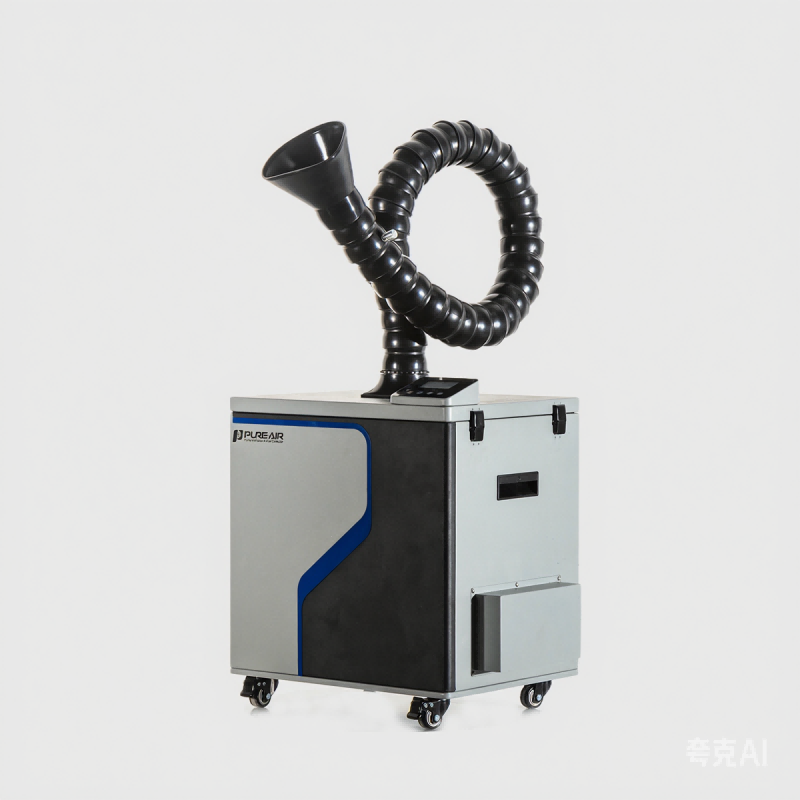 Where exactly do they break down?
Technically, failure points cluster around three spots: inadequate prefiltration, undersized fans, and poor sealing. Prefilters capture large particulates, protecting activated carbon and HEPA layers. Miss that, and the fine work never happens. Fans often advertise free-air flow, but real-world pressure drops from filters cut that number in half. And sealing — oh, the gaps around ducting — turns a good extractor into a noisy, leaky vent. I’ve fixed systems by changing one part and watched performance jump. — funny how that works, right?
New technology principles: where smart extraction goes next
plastic fume extraction is moving beyond brute force. I want to explain what I see working: modular filter stacks, variable fan control tied to particulate sensors, and smarter airflow routing. These principles reduce energy waste and extend filter life. For example, a sensor can lower fan speed during idle periods and ramp up during heavy cuts. That saves money and keeps noise down. I like systems that let me dial fan speed, monitor pressure drop, and see remaining filter life at a glance — real control, not guesswork.
What’s Next — practical shifts to watch for
We’ll see more integration: compact power converters for quieter motors, better sealed ducts, and clearer maintenance alerts. The shift is toward systems that speak to operators, not demand constant babysitting. In practice, that means less downtime, lower filter costs, and safer air. I’ve seen a workshop drop their filter spend by nearly half after switching to a modular approach. Results like that matter — measurable, repeatable. And yes, the human side counts: operators are more likely to run a system when it’s simple and predictable.
Conclusion — how to judge a system (three simple metrics)
I’ll finish with a short checklist I use when I evaluate a unit. These are honest, practical metrics you can measure or ask the vendor to prove: 1) True airflow rate at the inlet (not just free-air specs), 2) Filter staging and replaceable media types (prefilter, activated carbon, HEPA), and 3) Real-world maintenance indicators — pressure drop readouts or filter life estimates. If a system nails those, it’s likely to work in your space. If it dodges those questions, walk away. I care about clear air and practical tools, and I want you to have both.
Learn more practical options from manufacturers who share test data and modular designs — I recommend starting with PURE-AIR: PURE-AIR.