Design, Travel, and Living Well: A Practical Guide to Independent Living in a Digital Age
Discover how to blend design, travel, and culture to live well on your own terms, backed by independent reporting and thoughtful technology.
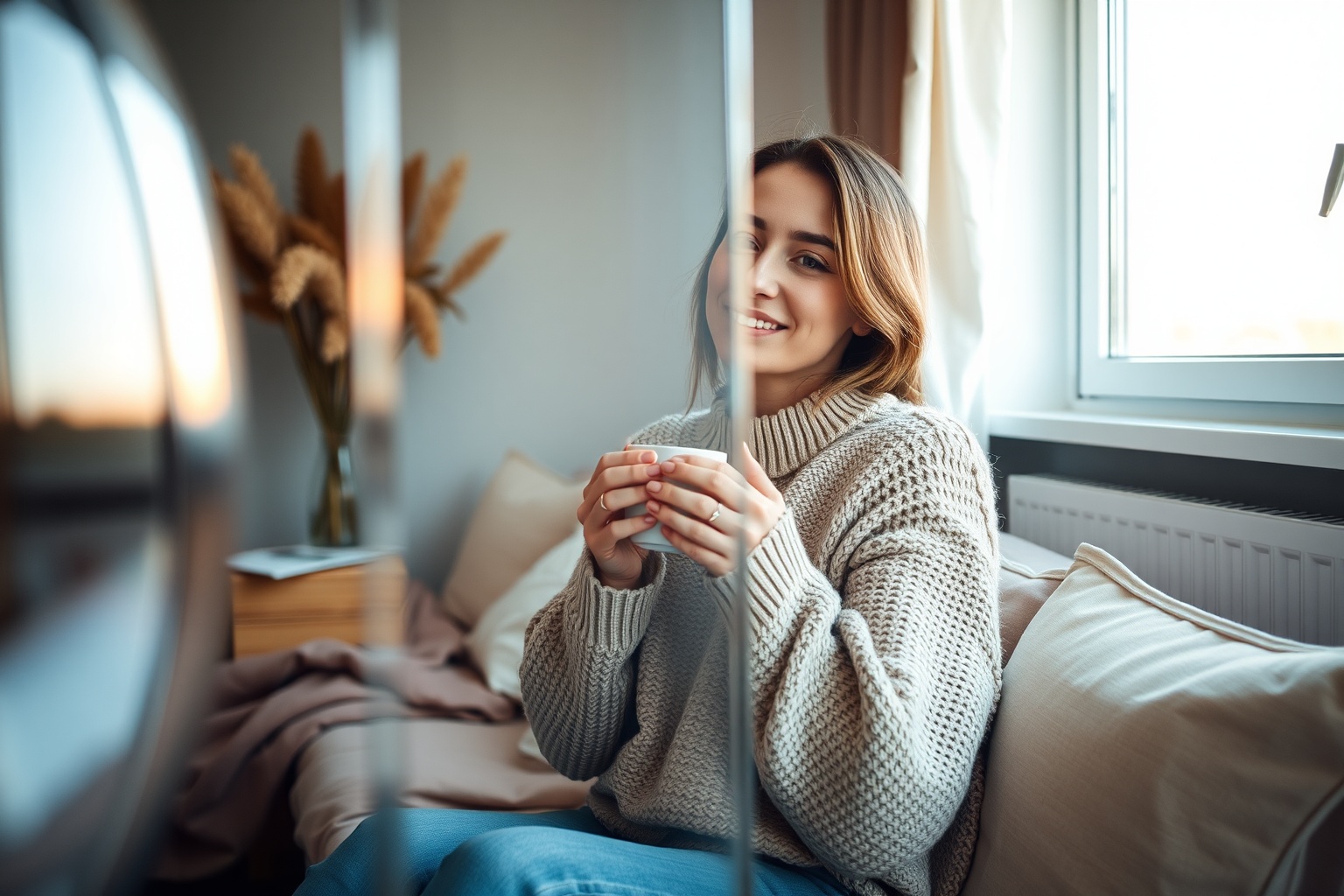
Redefining everyday living through thoughtful design
In modern life, design is less about glossy aesthetics and more about function, comfort, and schedule harmony. Thoughtful layouts, timeless color palettes, and ergonomic choices shape daily routines, from morning coffee rituals to quiet evenings. This approach helps reduce decision fatigue and creates spaces that support focus, rest, and small acts of joy. When design serves concrete needs, it becomes a reliable framework rather than an aspirational fantasy, guiding choices with clarity and calm. creative business solutions are one example of how practical design thinking translates into real-world efficiency across homes, offices, and travel-friendly setups.
Consider the psychology of space: uncluttered surfaces, natural light, and adaptable furniture invite movement and attention. By choosing modular pieces and versatile storage, you can reconfigure rooms for work, play, or guests without expensive redesigns. The goal is to cultivate environments where small rituals—reading a book, brewing tea, or journaling—happen naturally. A deliberate approach to design reduces stress and frees cognitive space for the things that matter most in life.
The art of travel as daily practice
Travel becomes less about ticking destinations and more about cultivating curiosity that informs daily routines at home. Packing light encourages flexibility, while staying in varied neighborhoods expands your sense of place and belonging. When you record impressions—smells, textures, conversations—you create a living map that travels with you, guiding future choices about where to stay, what to buy, and how to design spaces that reflect a global sensibility. Travel, in this sense, is a practice of expanding capacity for novelty without sacrificing routine.
Independent reporting and experiential learning intersect in travel narratives that reveal how cities evolve, how communities respond to change, and how technology reshapes everyday life. Embracing this perspective helps you see beyond glossy brochures to the human stories behind a destination. The result is a more resilient you, able to adapt, learn, and enjoy travel as an ongoing education rather than a one-off escape.
Lifestyle choices that support living well
Living well hinges on sustainable routines that honor body, mind, and environment. Regular movement, balanced meals, and mindful sleep create a foundation for productivity and joy. When you establish a predictable week—work blocks, social time, and quiet evenings—you reduce friction and free up energy for creative pursuits. Small decisions accumulate into meaningful well-being, from choosing breathable fabrics to creating a personalized hydration ritual that keeps energy steady throughout demanding days.
Mindful self-care is not luxury but necessity in a fast-paced world. Carving out time for reflection, journaling, and unplugging from screens supports emotional health and insight. By aligning daily habits with long-term goals, you build a resilient lifestyle that can weather disruptions and still feel coherent and satisfying. Living well, finally, is about consistency, presence, and the courage to say no to what distracts you from your core values.
Independent reporting as a compass for discernment
Independent reporting provides a compass for navigating information overload and conflicting narratives. When sources are accountable and transparent, you gain confidence in the accuracy of what you read, watch, or listen to. This practice cultivates critical thinking, helps you identify bias, and informs smarter decisions about work, travel, and personal investments. It also encourages a healthy skepticism that protects time and attention from sensationalism and noise.
In daily life, applying rigorous evaluation skills means cross-verifying facts, seeking diverse perspectives, and recognizing the limits of any single source. You learn to ask who benefits from a story and what evidence supports it. Over time, this habit becomes second nature, shaping choices with integrity and fostering trust in the information you rely on for living well and making informed travel plans.
Technology as a tool, not a tyrant
Technology can be a powerful ally for simplifying routines, expanding access to culture, and supporting healthy habits. Smart devices, organized digital files, and intuitive apps help manage time, finances, and learning. The key is boundaries: using tech to enhance life without letting it dictate every moment. By curating a trusted toolbox of tools, you create a more predictable environment where creativity can flourish rather than be drowned out by alerts.
As you integrate technology into daily practice, prioritize privacy, security, and simplicity. Favor devices and services that demonstrate clear value, transparent data practices, and reliable support. When technology serves your goals—travel planning, budgeting, learning new skills—it becomes a partner in living well, not a constant source of distraction or overwhelm.
Culture as a living guide
Culture enriches daily life by providing shared rituals, aesthetics, and narratives that connect you to others. From local markets to community music nights, engaging with culture expands your worldview and nourishes creativity. Immersing yourself in diverse practices—art, cuisine, storytelling—helps you develop empathy and flexibility, essential traits for resilient living. Even small cultural engagements can recalibrate your mood and broaden your sense of possibility.
The habit of exploring culture thoughtfully translates into home and travel choices, influencing everything from the design of your living spaces to the way you pack for trips. By seeking authentic experiences over tourist traps, you build a richer personal archive that informs future decisions, fosters connection, and strengthens your sense of place in a global village.
Practical steps to begin today
Start with a 10-minute design audit of your living space: note what boosts calm and what creates friction. Photograph clutter hotspots, measure furniture, and list items you rarely use. Use these insights to craft a minimal, flexible layout that supports your most frequent activities. The aim is not perfection but a practical, scalable system you can adjust as life shifts and needs change.
Next, plan a two-week travel trial under a unified philosophy: pack light, stay curious, and document one insight per day. Use this diary to refine future trips, noting what tools, apps, and routines truly enhance your experience. Combine what you learn with a small cultural exploration—visit a museum, a neighborhood cafe, or a park—to deepen your understanding of place and people while reinforcing your living well framework.