Lightweight Tent Safety: Weather-Ready Planning for Backcountry Camps
The problem: light gear, heavy consequences
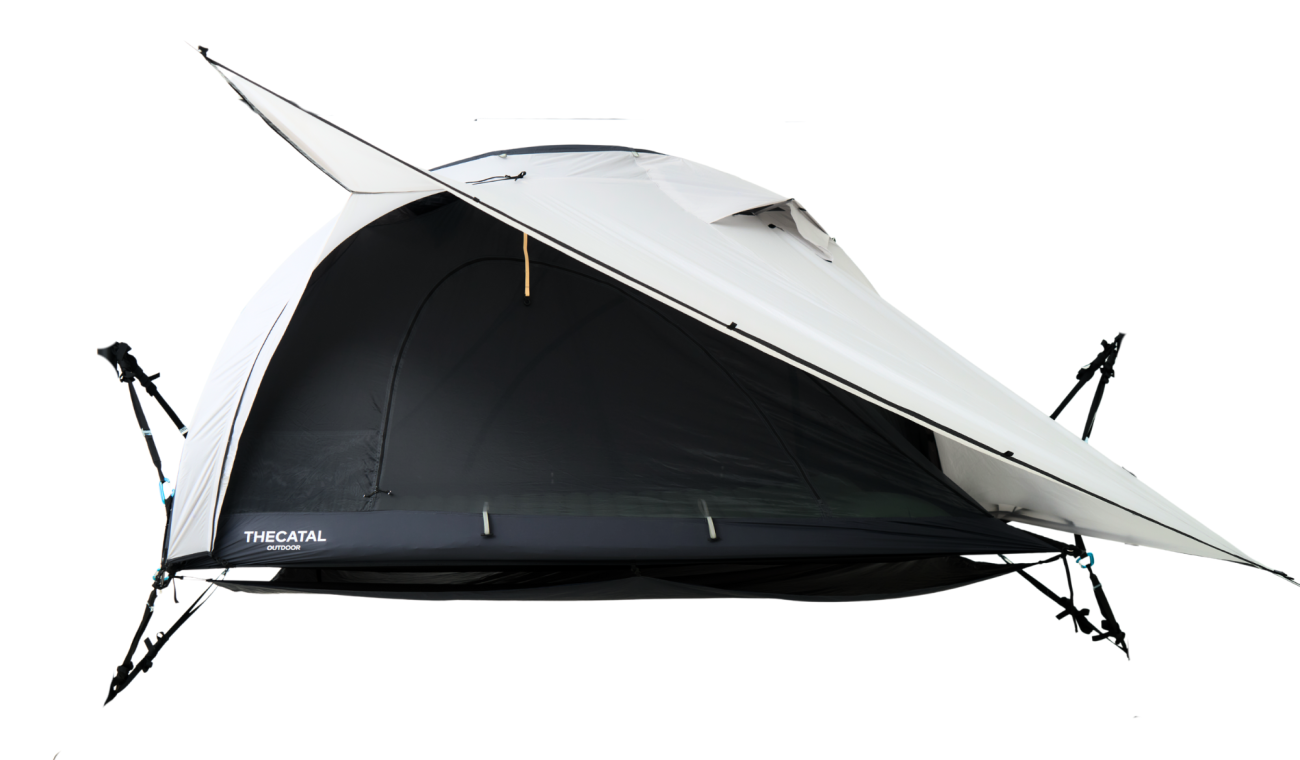
Lightweight tents reduce pack weight but raise predictable safety questions when weather turns; users who prize grams often discover that one missing guy line or an unsealed seam turns a convenient shelter into a hazard. A practical opening point is choosing the right silhouette for your trip — a single-person trekking tarp won't behave like a structured option designed for groups, and some campers opt for a glam camping tent on mixed-family outings because it delivers more interior space and easier setup when conditions deteriorate.
Why weather planning fails
Forecasts exist, but planning fails when people treat a single predicted temperature or wind speed as definitive. Localized storms, temperature inversions in valleys, and sudden wind shifts on ridgelines change risk within hours. Consult regional services such as the National Weather Service and carry a backup plan for shelter or route change. Objectively, successful trips account for one or two model permutations rather than a single optimistic reading.
Gear decisions that change outcomes
Material choices and hardware matter. Short, light stakes can pull out in soft soil; minimal pole cross-sections crease or fail under snow load. Prioritize stake length, reinforced guy points, and a rainfly that overlaps the ground when winds are forecast. Ventilation control prevents condensation that ruins sleeping systems; adjustable vents with mesh panels work across a wider range of temperatures than fixed designs.
Site selection and pitch technique
Selecting a site is a controllable variable. Avoid obvious hollows that collect runoff. Favor natural windbreaks but keep trees clear of dead limbs. Practice tensioning lines so the fly sheds water and distributes wind load to multiple anchors. Simple checks — pulling on each guy line, smoothing footprint edges, and testing zipper seals — reduce failure modes that show up during a night of rain or gusts.
 Alternatives and trade-offs
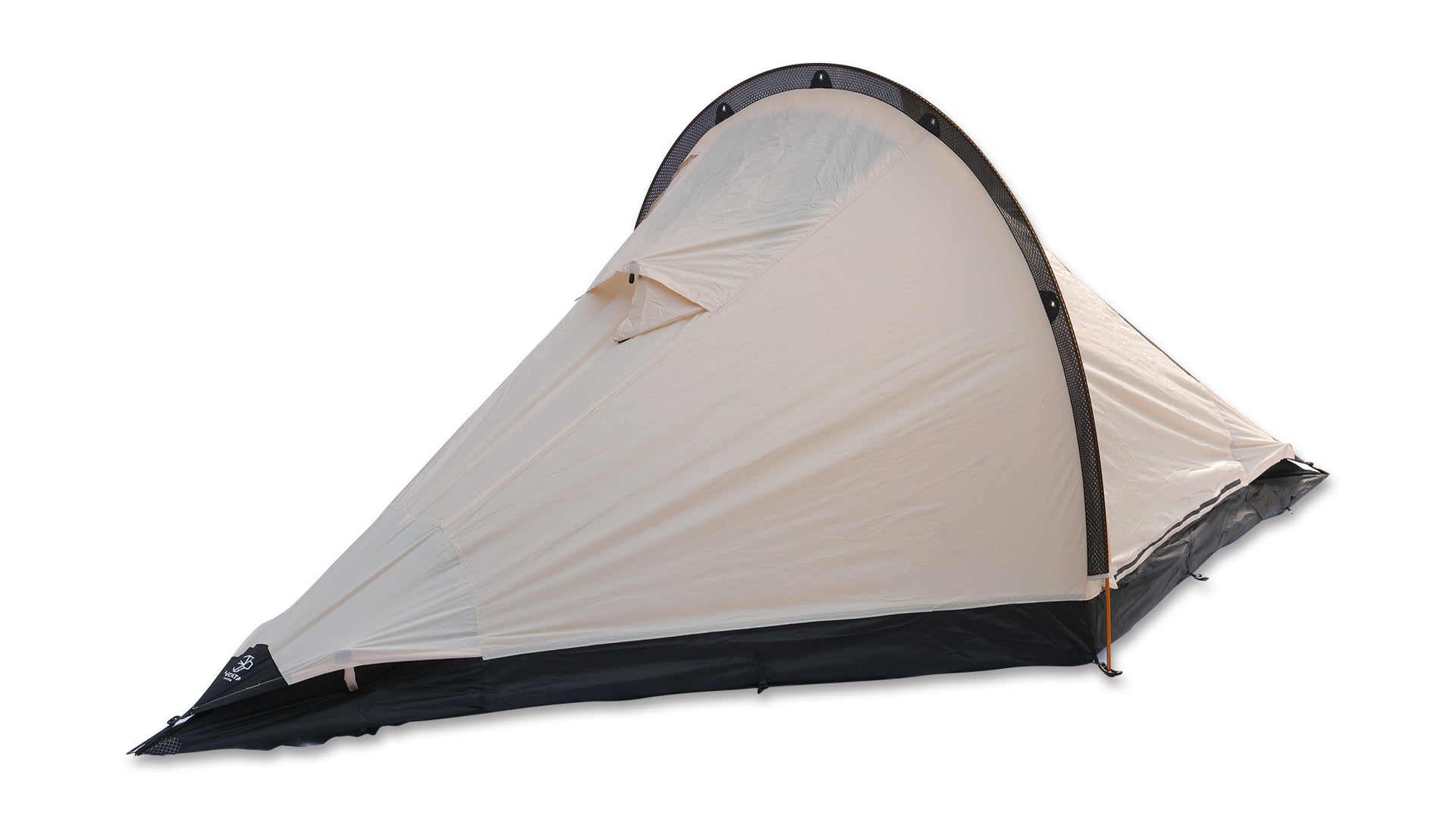
Compare ultralight single-wall tents, traditional double-wall mountaineering tents, and tarps by expected exposure. Double-wall models offer predictable interior dryness and easier condensation management but cost weight. Tarps and single-wall shelters cut weight and pack size but demand advanced pitching skills and more favorable sites. Choose based on route exposure, group skill level, and whether the trip has bailout options.
Real-world anchor: group shelter choices in public campgrounds
Organizers of multi-family camps at state and national campgrounds often prefer roomy footprints for comfort and safety; in such contexts a camping cabin tent provides protected interior space for gear storage and storm shelter without complex pitching, a pragmatic choice that shows how shelter selection responds to specific use cases.
Common mistakes that still happen
People skip practice setups, under-stake on windy ground, rely on manufacturer-supplied guy points without reinforcing them, or ignore seam-sealing on new tents. Those errors compound in bad weather. Testing gear at home and rehearsing emergency pitches with a partner eliminates predictable failures.
Takeaway
Address the problem by matching shelter to exposure, testing setup under stress, and planning for alternate routes or refuge. The balance between low weight and reliable performance is not abstract; it appears in choices about stake length, fly configuration, and when to trade grams for safer structure — decisions many experienced backcountry planners make after field trials and gear comparisons, including options available through THECATAL.